



Learn how Facebook Ads can help businesses reach highly targeted audiences, generate qualified leads, increase conversions, and maximize return on investment. Discover proven Facebook advertising strategies, campaign optimization techniques, audience targeting methods, and best practices for sustainable business growth.
Introduction
In today’s highly competitive digital landscape, businesses need more than just a website and social media presence to attract customers consistently. Paid advertising has become an essential component of modern marketing strategies, and Facebook Ads remains one of the most powerful platforms available for reaching potential customers at scale. With billions of active users across Facebook, Instagram, Messenger, and Audience Network, advertisers can connect with highly specific audiences based on demographics, interests, behaviors, and purchasing intent.
Businesses of all sizes can benefit from Facebook advertising when campaigns are planned and executed correctly. Whether the goal is lead generation, e-commerce sales, brand awareness, app installs, or customer retention, Facebook’s advertising ecosystem offers sophisticated tools that enable precise targeting and measurable results. Unlike many traditional advertising channels, Facebook Ads provide detailed analytics that allow marketers to optimize campaigns continuously for improved performance.
At My Blog Poster, we understand that successful digital marketing requires a strategic approach that combines audience insights, compelling creative assets, conversion-focused landing pages, and data-driven optimization. This comprehensive guide explores everything businesses need to know about Facebook Ads, helping readers understand how to build effective campaigns that generate meaningful business outcomes while maximizing advertising budgets.
Understanding the Facebook Advertising Ecosystem
Facebook advertising has evolved significantly over the years, transforming from a basic social media advertising platform into a sophisticated marketing ecosystem. Today, advertisers gain access to multiple placements across Facebook, Instagram, Messenger, and the Audience Network through a single campaign management interface.
The platform operates using advanced machine learning algorithms that help advertisers identify users most likely to complete desired actions. This capability allows businesses to move beyond broad demographic targeting and focus on individuals who demonstrate behaviors indicating genuine purchase intent. As a result, advertising budgets can be allocated more efficiently, improving overall campaign performance and return on investment.
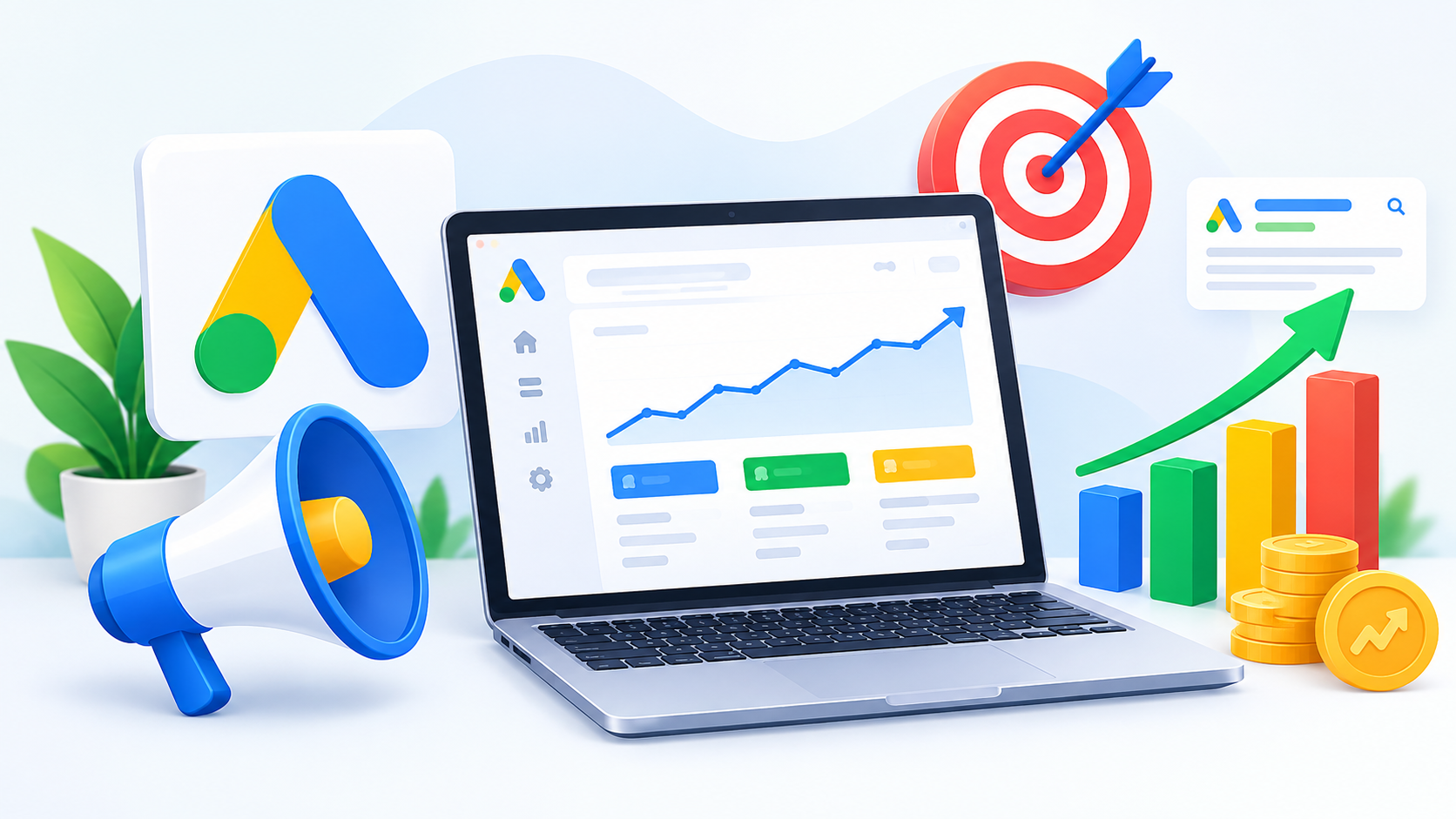
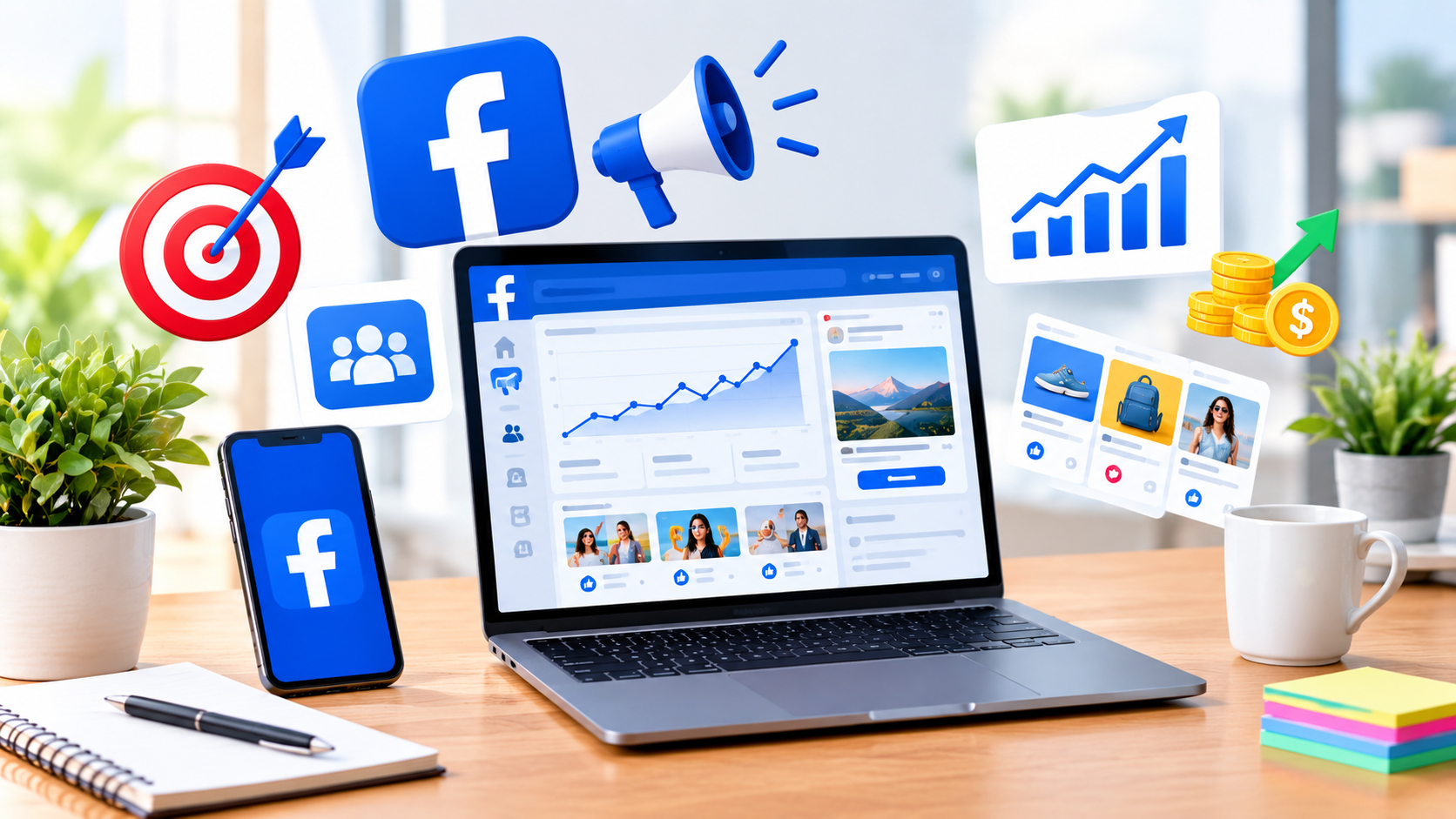
Modern Facebook Ads are managed through Facebook Ads Manager, which serves as the central hub for campaign creation, audience management, performance tracking, and optimization. Understanding how the ecosystem functions is essential for advertisers who want to leverage the platform’s full potential and create scalable marketing campaigns that support long-term business growth.
Why Facebook Ads Remain Essential for Modern Businesses
Despite the emergence of numerous advertising platforms, Facebook Ads continue to play a critical role in digital marketing strategies worldwide. The platform’s extensive user base and advanced targeting capabilities make it uniquely positioned to connect businesses with potential customers at various stages of the buying journey.
One of the primary advantages of Facebook advertising is its ability to generate demand rather than simply capture existing demand. Search advertising often targets users actively looking for products or services, while Facebook Ads can introduce solutions to audiences who may not yet realize they need them. This proactive approach allows businesses to influence consumer decisions earlier in the purchasing process.
Additionally, Facebook Ads support a wide range of marketing objectives. Businesses can build brand awareness, increase website traffic, generate leads, drive online sales, promote events, encourage app downloads, and nurture customer relationships. This versatility makes Facebook advertising suitable for organizations across virtually every industry, from local service providers and startups to multinational enterprises.
Setting Clear Objectives Before Launching Campaigns
Successful Facebook advertising begins with clearly defined objectives. Without specific goals, advertisers often struggle to measure success and optimize campaigns effectively. Establishing objectives ensures that campaign strategies, creative assets, targeting parameters, and budget allocations align with desired outcomes.
Facebook organizes campaign objectives into categories such as awareness, consideration, engagement, leads, app promotion, and sales. Each objective influences how Facebook’s algorithm delivers ads and identifies users most likely to complete the intended action. Selecting the correct objective is therefore a critical strategic decision.
For example, a business seeking immediate sales may prioritize conversion-focused campaigns, while a company introducing a new product might focus initially on awareness and engagement. By understanding the relationship between objectives and campaign performance, advertisers can create more effective marketing funnels that guide users from initial discovery to final conversion.
Audience Targeting: The Foundation of Facebook Advertising Success
One of Facebook’s greatest strengths lies in its sophisticated audience targeting capabilities. Effective targeting allows businesses to reach individuals who are most likely to engage with advertisements and become customers. Poor targeting, on the other hand, can quickly waste advertising budgets and reduce campaign profitability.
Facebook enables advertisers to target users based on demographics, geographic locations, interests, online behaviors, purchasing activities, and life events. These targeting options help businesses narrow their focus and deliver highly relevant messages to specific audience segments. Relevance often leads to better engagement rates, lower advertising costs, and improved conversion performance.
Advanced audience strategies include Custom Audiences and Lookalike Audiences. Custom Audiences allow businesses to reconnect with website visitors, email subscribers, or existing customers, while Lookalike Audiences help identify new users who share characteristics with valuable existing customers. Combining these capabilities creates powerful opportunities for customer acquisition and business growth.
Creating High-Converting Facebook Ad Creatives
Creative assets significantly influence Facebook advertising performance. Even the most precisely targeted campaigns can fail if advertisements do not capture attention or communicate value effectively. Successful creatives combine compelling visuals, persuasive messaging, and strong calls to action.
Visual elements often determine whether users stop scrolling and engage with an advertisement. High-quality images, professional videos, user-generated content, and visually appealing designs can improve engagement rates substantially. Advertisers should ensure that creative assets align with brand identity while remaining optimized for platform-specific user behaviors.
Equally important is the ad copy itself. Effective copy addresses audience pain points, highlights benefits, builds trust, and motivates action. Rather than focusing solely on product features, successful Facebook Ads emphasize outcomes and solutions that resonate with target audiences. Clear calls to action further guide users toward desired next steps, whether visiting a website, completing a form, or making a purchase.
The Role of Landing Pages in Facebook Ad Performance
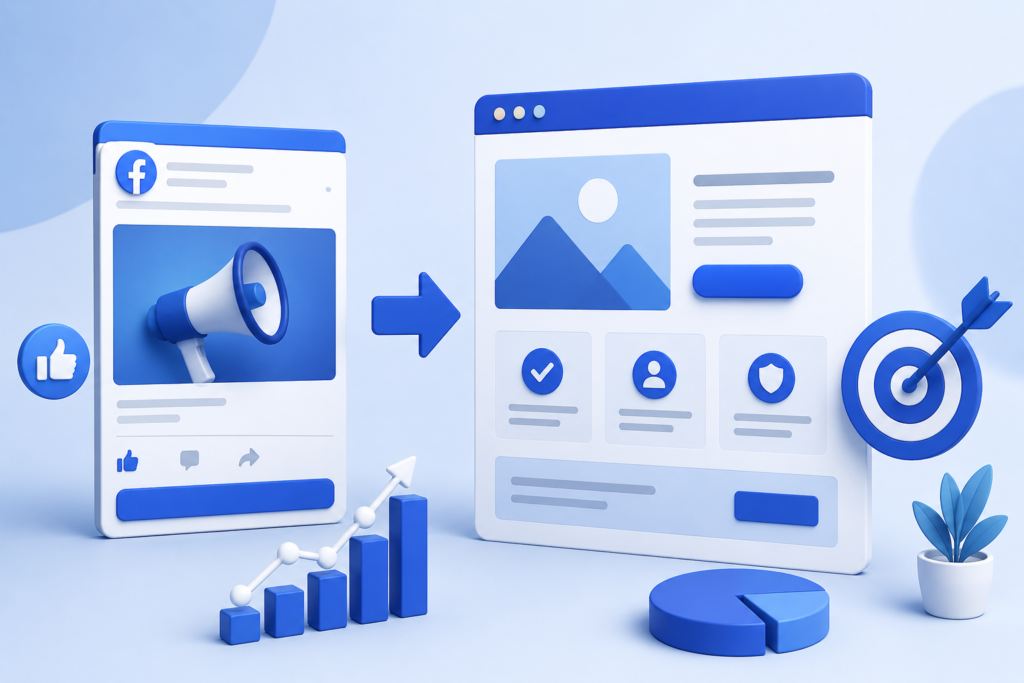
Many advertisers focus heavily on ad creation while overlooking the importance of landing pages. However, landing page quality often determines whether advertising traffic converts into leads or sales. A disconnect between ad messaging and landing page content can significantly reduce conversion rates.
Effective landing pages maintain message consistency by delivering exactly what users expect after clicking an advertisement. Headlines, visuals, offers, and calls to action should align closely with the ad that generated the visit. Consistency builds trust and reduces friction throughout the customer journey.
Technical performance also plays a crucial role. According to Google SEO Starter Guide, website usability and user experience significantly impact engagement and conversion outcomes. Fast-loading pages, mobile responsiveness, intuitive navigation, and streamlined forms contribute to higher conversion rates and improved advertising effectiveness.
Understanding Facebook Pixel and Conversion Tracking
Accurate data collection is essential for successful Facebook advertising. Without reliable tracking, businesses cannot measure campaign performance effectively or optimize future advertising efforts. Facebook Pixel serves as a foundational tool for collecting valuable user interaction data.
Facebook Pixel is a code snippet installed on websites that tracks visitor actions such as page views, purchases, form submissions, and other conversion events. This information helps advertisers understand user behavior and evaluate campaign effectiveness. More importantly, the data enables Facebook’s algorithm to improve ad delivery over time.
Conversion tracking supports informed decision-making by revealing which campaigns, audiences, and creative assets generate the strongest results. Advertisers can identify profitable strategies, eliminate underperforming elements, and allocate budgets more effectively. Proper implementation of tracking systems therefore contributes directly to long-term advertising success and sustainable business growth.
Budgeting and Bidding Strategies for Facebook Ads
Effective budget management is a critical aspect of Facebook advertising success. Businesses must balance spending efficiency with campaign scalability while ensuring resources are allocated toward high-performing opportunities. Understanding budgeting and bidding mechanisms helps advertisers maximize results without overspending.
Facebook offers both daily and lifetime budget options. Daily budgets provide consistent spending control, while lifetime budgets allow Facebook’s algorithm greater flexibility to optimize delivery over a campaign’s duration. The choice depends on campaign objectives, budget constraints, and desired levels of control.
Bidding strategies influence how aggressively campaigns compete within Facebook’s advertising auction system. Automated bidding often works well for many advertisers because Facebook’s machine learning systems optimize bids based on performance data. However, experienced advertisers may use advanced bidding strategies to achieve specific cost-per-acquisition or return-on-ad-spend goals. Monitoring campaign performance regularly ensures budgets remain aligned with business objectives and profitability targets.
Leveraging Retargeting Campaigns for Higher Conversion Rates
Retargeting is one of the most effective Facebook advertising strategies because it focuses on users who have already interacted with a business. These individuals have demonstrated some level of interest, making them more likely to convert compared to completely new audiences. By reconnecting with previous website visitors, engaged social media users, or past customers, businesses can maintain visibility throughout the customer journey and encourage users to take action.
Facebook’s retargeting capabilities allow advertisers to segment audiences based on specific behaviors. For example, businesses can target users who visited a product page but did not complete a purchase, viewed a video advertisement without clicking, or abandoned a shopping cart before checkout. Tailoring advertisements to these unique audience segments increases relevance and improves campaign effectiveness.
Successful retargeting campaigns often use personalized messaging and incentives to encourage conversions. Limited-time offers, customer testimonials, product demonstrations, and reminder ads can help move prospects closer to making a purchasing decision. By strategically incorporating retargeting into the advertising funnel, businesses can significantly improve conversion rates and maximize advertising return on investment.
Video Advertising and the Power of Visual Storytelling
Video content has become one of the most engaging formats within Facebook’s advertising ecosystem. Users consume vast amounts of video content daily, making video advertisements a valuable tool for capturing attention, communicating brand messages, and driving meaningful engagement. Businesses that invest in high-quality video content often experience improved campaign performance compared to static-image advertisements.
Effective video advertisements focus on storytelling rather than direct selling. By presenting relatable scenarios, addressing customer challenges, and showcasing solutions in action, brands can create stronger emotional connections with audiences. Story-driven content is often more memorable and encourages viewers to engage with advertisements for longer periods.
Short-form videos are particularly effective in mobile-first environments where attention spans are limited. Advertisers should communicate key messages within the first few seconds while maintaining visual interest throughout the video. Clear branding, concise messaging, and compelling calls to action help ensure that video advertisements contribute positively to campaign objectives and overall marketing performance.
Using Lookalike Audiences to Scale Campaign Growth
As businesses identify successful customer segments, scaling becomes a priority. Facebook’s Lookalike Audience feature enables advertisers to expand their reach by finding new users who share characteristics with existing customers, leads, or website visitors. This capability allows businesses to grow while maintaining audience quality and relevance.
Lookalike Audiences are created using source audiences such as customer lists, website traffic, purchase data, or lead databases. Facebook analyzes patterns within these audiences and identifies users with similar behaviors, interests, and demographic characteristics. The result is a highly targeted prospecting audience that can significantly improve customer acquisition efforts.
Scaling campaigns through Lookalike Audiences should be approached strategically. Businesses often begin with smaller audience percentages to maintain similarity and gradually expand as campaigns demonstrate positive results. Continuous testing and optimization help identify the most effective audience sizes and targeting combinations, ensuring sustainable growth without sacrificing campaign efficiency.
Measuring Key Facebook Advertising Metrics
Data-driven decision-making is fundamental to Facebook advertising success. Measuring performance metrics enables advertisers to understand what is working, identify areas for improvement, and make informed optimization decisions. Without proper analysis, businesses risk wasting budget on ineffective strategies and missing opportunities for growth.
Important metrics include click-through rate (CTR), cost per click (CPC), cost per acquisition (CPA), conversion rate, return on ad spend (ROAS), engagement rate, and frequency. Each metric provides insights into different aspects of campaign performance. For example, CTR indicates how effectively advertisements attract attention, while ROAS measures overall profitability.
Businesses should avoid focusing exclusively on vanity metrics such as likes or impressions. While these indicators may provide useful context, meaningful business outcomes such as leads, sales, and revenue should remain the primary focus. Consistent monitoring and reporting allow advertisers to refine strategies, improve performance, and align campaigns with broader business objectives.
Facebook Ads and Mobile-First Consumer Behavior
Mobile devices dominate digital interactions, making mobile optimization a critical component of Facebook advertising success. Most Facebook users access the platform through smartphones and tablets, meaning advertisements must be designed with mobile experiences in mind. Failure to prioritize mobile usability can negatively impact engagement, conversion rates, and overall campaign effectiveness.
Mobile-first advertising involves creating visually appealing content that performs well on smaller screens. Advertisers should use vertical or square formats where appropriate, minimize excessive text, and ensure calls to action remain clearly visible. Fast-loading landing pages and responsive website designs further enhance the user experience and reduce abandonment rates.
According to Google’s Creating Helpful, Reliable, People-First Content guidance, user experience plays a significant role in digital success. By aligning Facebook advertising strategies with mobile user expectations, businesses can improve engagement, strengthen customer relationships, and increase conversion opportunities.
Future Trends Shaping Facebook Advertising
The digital advertising landscape continues to evolve, and businesses must stay informed about emerging trends to remain competitive. Advances in artificial intelligence, machine learning, automation, and consumer privacy regulations are reshaping how Facebook advertising campaigns are planned, managed, and optimized.
Automation tools are becoming increasingly sophisticated, allowing advertisers to leverage algorithmic optimization for bidding, audience targeting, and creative delivery. These technologies help improve efficiency while enabling businesses to focus on strategic decision-making and creative development. Advertisers who embrace automation thoughtfully can often achieve better results with less manual intervention.
Privacy considerations are also influencing advertising practices. Businesses must prioritize transparency, ethical data collection, and compliance with evolving regulations. Building first-party data strategies, strengthening customer trust, and adapting to privacy-focused technologies will be essential for long-term advertising success in the years ahead.
Building a Sustainable Facebook Advertising Strategy
Long-term success with Facebook Ads requires more than launching occasional campaigns. Businesses need a sustainable advertising framework that supports continuous growth, adapts to market changes, and aligns with organizational goals. Strategic planning helps ensure advertising investments contribute meaningfully to overall business performance.
A sustainable strategy begins with understanding customer journeys and developing campaigns that address each stage of the funnel. Awareness campaigns introduce potential customers to a brand, consideration campaigns nurture interest, and conversion campaigns encourage purchases or lead generation. Integrating these efforts creates a cohesive marketing ecosystem that drives consistent results.
Continuous testing, performance analysis, and optimization are equally important. Advertisers should regularly evaluate audience segments, creative assets, bidding strategies, and landing pages to identify opportunities for improvement. By maintaining a culture of experimentation and learning, businesses can adapt to changing market conditions while maximizing advertising effectiveness over time.
Common Facebook Ads Mistakes Businesses Should Avoid
Many advertisers fail to achieve desired results because of avoidable mistakes that undermine campaign performance. Understanding these common issues can help businesses maximize the effectiveness of their advertising investments.
1. Targeting Audiences Too Broadly
Broad targeting often leads to wasted budget and lower engagement rates. Precise audience segmentation typically delivers better results.
2. Ignoring Conversion Tracking
Without Facebook Pixel and proper event tracking, advertisers lack the data needed for optimization and performance measurement.
3. Using Weak Creative Assets
Low-quality images, poor video production, and ineffective copy can significantly reduce campaign engagement.
4. Sending Traffic to Poor Landing Pages
Even excellent advertisements can fail if landing pages are slow, confusing, or unrelated to the ad message.
5. Neglecting Mobile Optimization
Since most Facebook users browse on mobile devices, non-mobile-friendly experiences often result in lost conversions.
6. Failing to Test Campaign Elements
Businesses that avoid A/B testing miss opportunities to improve performance through data-driven insights.
7. Scaling Too Quickly
Rapid budget increases can disrupt campaign stability and reduce efficiency.
8. Focusing on Vanity Metrics
Likes and impressions are useful indicators but should never replace revenue, leads, and conversions as primary success metrics.
Best Practices Summary
To achieve consistent success with Facebook Ads, businesses should follow several proven best practices:
- Define clear and measurable campaign objectives.
- Use detailed audience research before launching campaigns.
- Create compelling and visually engaging ad creatives.
- Align ad messaging with landing page content.
- Implement Facebook Pixel and conversion tracking correctly.
- Utilize retargeting to re-engage interested prospects.
- Leverage Lookalike Audiences for scalable growth.
- Monitor key performance indicators regularly.
- Optimize campaigns based on data rather than assumptions.
- Prioritize mobile-first user experiences.
- Test multiple creative variations continuously.
- Maintain compliance with advertising policies and privacy regulations.
Frequently Asked Questions
1. What are Facebook Ads?
Facebook Ads are paid advertisements displayed across Facebook, Instagram, Messenger, and Audience Network platforms. They help businesses reach targeted audiences and achieve objectives such as lead generation, sales, website traffic, and brand awareness.
2. How much should I spend on Facebook Ads?
Advertising budgets vary based on goals, competition, industry, and audience size. Many businesses begin with modest budgets and increase spending as profitable campaigns are identified.
3. Are Facebook Ads effective for small businesses?
Yes. Facebook Ads provide highly targeted advertising opportunities that allow small businesses to compete effectively, even with limited budgets.
4. How long does it take to see results?
Some campaigns generate engagement immediately, while conversion-focused campaigns may require several weeks of optimization and data collection before reaching peak performance.
5. What is Facebook Pixel?
Facebook Pixel is a tracking tool that records user actions on a website. It helps advertisers measure conversions, optimize campaigns, and create retargeting audiences.
6. Which ad format performs best?
The most effective format depends on objectives and audience preferences. Video ads, carousel ads, image ads, and lead generation ads can all perform well when used strategically.
7. What is a Lookalike Audience?
A Lookalike Audience is a group of users identified by Facebook as sharing characteristics with an existing customer or lead audience, helping businesses reach similar prospects.
8. How can I improve Facebook Ad performance?
Performance can be improved through audience refinement, creative testing, conversion tracking, landing page optimization, retargeting, and ongoing campaign analysis.
Conclusion
Facebook Ads remain one of the most powerful digital marketing tools available to businesses seeking targeted reach, measurable results, and scalable growth. From audience targeting and creative development to retargeting and conversion optimization, every aspect of Facebook advertising contributes to the effectiveness of a campaign. Organizations that embrace strategic planning, continuous testing, and data-driven decision-making are far more likely to achieve sustainable success.
As digital advertising technologies continue to evolve, businesses must stay informed about emerging trends, privacy considerations, and platform innovations. By implementing the strategies discussed throughout this guide, organizations can create high-performing Facebook advertising campaigns that generate leads, increase sales, strengthen brand visibility, and maximize return on investment. At My Blog Poster, we believe that combining expertise, creativity, and analytical insight is the key to unlocking the full potential of Facebook Ads and achieving long-term business growth.
Want to Implement This Easily?
Prompt Text:
You are an expert consultant. Based on the blog post titled “Facebook Ads”, provide a step-by-step, practical implementation guide. Include tools, best practices, common mistakes to avoid, and advanced tips. Assume the reader wants to implement everything discussed in this article effectively.
Call to Action:
Want our help implementing this? Just reach out to us via our website contact form: