














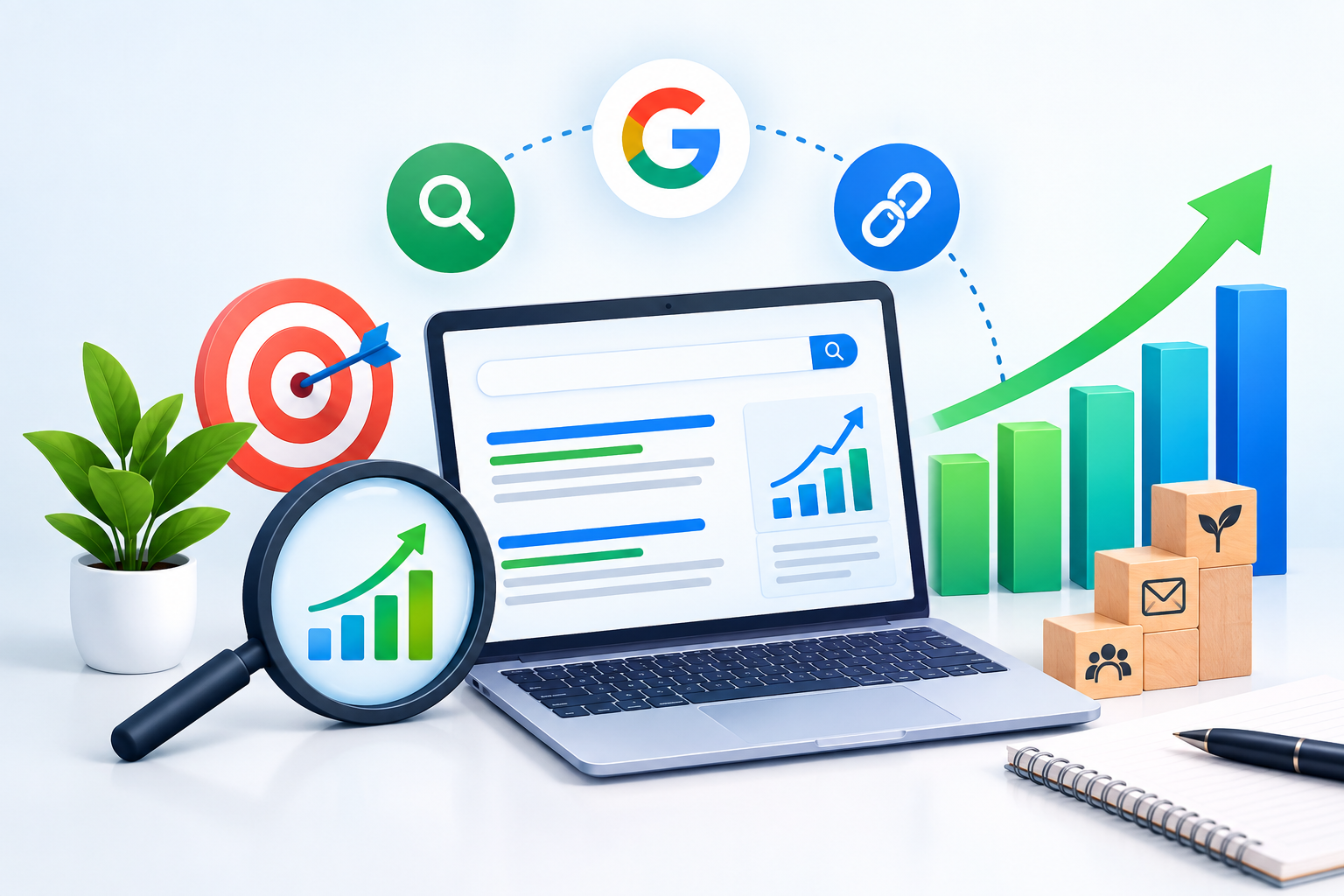
SEO services and strategies: Discover advanced, proven techniques to boost rankings, increase organic traffic, and build long-term authority with modern search engine optimization.
Introduction
Search Engine Optimization (SEO) has evolved from simple keyword placement into a sophisticated discipline that blends technical precision, content excellence, and user experience. In today’s highly competitive digital ecosystem, businesses must adopt a holistic SEO strategy to achieve consistent visibility and long-term success.
For brands aiming to grow sustainably, SEO is no longer optional—it is a core pillar of digital marketing. Whether you’re targeting local customers or global audiences, effective SEO ensures your content reaches the right users at the right time. It combines data-driven insights with creative execution, enabling websites to rank higher while delivering genuine value.
At MyBlogPoster, the focus is on building SEO strategies that align with modern search engine algorithms while prioritizing human engagement. This guide explores every essential component of SEO—from foundational principles to advanced techniques—helping you create a future-proof optimization strategy.
Understanding SEO Fundamentals
Search Engine Optimization is the process of improving a website’s visibility in organic (non-paid) search engine results. It involves optimizing content, technical structure, and external signals to ensure search engines understand and rank your pages effectively.
At its core, SEO revolves around three main pillars: on-page SEO, technical SEO, and off-page SEO. On-page SEO focuses on content and keyword optimization, technical SEO ensures your website is crawlable and fast, while off-page SEO builds authority through backlinks and brand signals. These elements must work together to achieve optimal results.
Modern SEO is deeply influenced by user intent. Search engines like Google prioritize content that satisfies user queries rather than simply matching keywords. This means understanding what users are searching for and delivering relevant, high-quality answers. By aligning your strategy with user intent, you create content that ranks well and engages your audience effectively.
Keyword Research and Search Intent
Keyword research is the foundation of every successful SEO strategy. It involves identifying the terms and phrases your target audience uses when searching online. However, effective keyword research goes beyond volume—it focuses on intent, relevance, and competition.
There are three primary types of search intent: informational, navigational, and transactional. Informational searches seek knowledge, transactional searches indicate purchase intent, and navigational searches aim to find a specific website. Understanding these distinctions helps you craft content that directly addresses user needs.
Using a mix of primary, secondary, and LSI (Latent Semantic Indexing) keywords ensures your content covers a topic comprehensively. Instead of repeating the same keyword, incorporate related terms naturally to improve semantic relevance. This approach not only enhances rankings but also aligns with Google’s algorithm updates focused on context and meaning.
On-Page SEO Optimization Techniques
On-page SEO refers to optimizing individual web pages to improve rankings and user experience. This includes elements such as title tags, meta descriptions, headings, and internal linking. Each component plays a crucial role in helping search engines understand your content.
Title tags should include your primary keyword and remain compelling to encourage clicks. Meta descriptions, while not a ranking factor, significantly impact click-through rates. Proper heading structure (H1, H2, H3) improves readability and allows search engines to interpret content hierarchy.
Content quality is the most important aspect of on-page SEO. Focus on creating informative, engaging, and original content that addresses user queries in depth. Incorporate multimedia elements, maintain readability, and ensure your content provides genuine value to users.
Technical SEO: Building a Strong Foundation
Technical SEO ensures your website is accessible, fast, and easy for search engines to crawl and index. Without a solid technical foundation, even the best content may struggle to rank.
Key technical elements include website speed, mobile responsiveness, secure connections (HTTPS), and structured data. Fast-loading pages improve user experience and reduce bounce rates, while mobile optimization is essential due to the dominance of mobile searches.
Crawlability is another critical factor. Search engines use bots to index your site, so having a clear site structure and XML sitemap is essential. Fixing broken links, eliminating duplicate content, and optimizing robots.txt files ensure efficient crawling and indexing.
Content Strategy for SEO Success

Content is the backbone of SEO. A well-planned content strategy ensures consistent growth in traffic and engagement. It involves identifying topics, creating valuable content, and optimizing it for search engines and users.
High-quality content should be informative, well-structured, and aligned with user intent. Long-form content often performs better because it provides comprehensive insights. However, quality should never be sacrificed for length—every piece of content must serve a purpose.
Consistency is key in content strategy. Publishing regularly signals to search engines that your website is active and relevant. By maintaining a content calendar and focusing on evergreen topics, you can build a sustainable SEO presence over time.
Link Building and Authority Development
Backlinks remain one of the most important ranking factors in SEO. They act as votes of confidence from other websites, signaling trust and authority to search engines. However, not all backlinks are equal—quality matters more than quantity.
Effective link-building strategies include guest posting, digital PR, and creating shareable content. Building relationships within your industry can also lead to natural backlinks. Avoid spammy or low-quality links, as they can harm your rankings.
Authority is built over time through consistent effort. By earning links from reputable websites and maintaining high-quality content, you establish your site as a trusted source in your niche.
User Experience (UX) and SEO
User experience plays a significant role in SEO. Search engines prioritize websites that provide a seamless and engaging experience. Factors such as page speed, navigation, and mobile usability directly impact rankings.
A well-designed website ensures users can easily find information. Clear navigation, intuitive layout, and fast-loading pages enhance usability and reduce bounce rates. These signals indicate to search engines that your site is valuable to users.
Engagement metrics like time on page and click-through rates also influence SEO. By focusing on user experience, you not only improve rankings but also increase conversions and customer satisfaction.
Mobile SEO and Optimization
With the majority of searches conducted on mobile devices, mobile SEO is essential. Google uses mobile-first indexing, meaning it primarily evaluates the mobile version of your website for ranking purposes.
Responsive design ensures your website adapts to different screen sizes. Mobile-friendly content should be easy to read, with concise paragraphs and clear visuals. Avoid intrusive pop-ups that disrupt the user experience.
Page speed is particularly important on mobile. Optimizing images, minimizing code, and using efficient hosting can significantly improve performance. A fast and responsive mobile experience enhances both rankings and user satisfaction.
Local SEO and Geographic Targeting
Local SEO is essential for businesses that want to attract customers within a specific geographic area. It focuses on optimizing your online presence to appear in local search results, especially for queries with location-based intent such as “near me” or city-specific searches.
A key component of local SEO is optimizing your Google Business Profile. Ensuring accurate business information, including name, address, phone number (NAP), and operating hours, helps search engines validate your credibility. Encouraging customer reviews and responding to them builds trust and improves local rankings.
Another important factor is local keyword targeting. Including city names, regional phrases, and localized content helps search engines understand your relevance to a particular area. Creating location-specific landing pages and earning backlinks from local directories further strengthens your presence in local search results.
Voice Search and AI in SEO
Voice search is rapidly transforming how users interact with search engines. With the rise of smart assistants and mobile voice commands, SEO strategies must adapt to conversational queries and natural language processing.
Voice searches are typically longer and more question-based compared to traditional text searches. Optimizing for these queries involves focusing on long-tail keywords and structuring content in a way that answers specific questions clearly. Featured snippets and FAQ sections play a crucial role in capturing voice search traffic.
Artificial Intelligence (AI) is also reshaping SEO. Search engines use AI to better understand context, user behavior, and content relevance. This means content must be written for humans first, ensuring clarity, accuracy, and usefulness. By aligning your strategy with AI-driven search algorithms, you can stay ahead of evolving trends.
SEO Analytics and Performance Tracking
Tracking SEO performance is critical for measuring success and identifying areas for improvement. Without proper analytics, it is impossible to determine which strategies are effective and which need refinement.
Tools like Google Analytics and Google Search Console provide valuable insights into traffic, user behavior, and keyword performance. Metrics such as organic traffic, bounce rate, and conversion rate help evaluate the effectiveness of your SEO efforts.
Regular monitoring allows you to adapt your strategy based on data. Identifying high-performing pages, optimizing underperforming content, and tracking keyword rankings ensure continuous improvement. Data-driven decision-making is the foundation of a successful SEO strategy.
Core Web Vitals and Page Experience
Core Web Vitals are a set of metrics that measure user experience, focusing on loading performance, interactivity, and visual stability. These metrics are part of Google’s ranking factors and play a significant role in SEO.
The three main Core Web Vitals are Largest Contentful Paint (LCP), First Input Delay (FID), and Cumulative Layout Shift (CLS). Optimizing these elements ensures your website loads quickly, responds efficiently, and maintains visual consistency.
Improving page experience involves optimizing images, reducing server response time, and minimizing JavaScript. A positive user experience not only improves rankings but also increases user satisfaction and engagement.
E-E-A-T: Building Trust and Authority
E-E-A-T stands for Experience, Expertise, Authoritativeness, and Trustworthiness. It is a crucial concept in Google’s Search Quality Guidelines and plays a significant role in content evaluation.
To demonstrate expertise, content should be well-researched, accurate, and written by knowledgeable individuals. Including credible sources and references enhances trustworthiness. Authoritativeness is built through backlinks, brand reputation, and industry recognition.
Trust is the foundation of E-E-A-T. Secure websites, transparent policies, and authentic content contribute to a trustworthy user experience. By focusing on these principles, you can improve both rankings and user confidence in your brand.
Common SEO Mistakes to Avoid
Many websites fail to achieve desired results due to common SEO mistakes. Identifying and avoiding these errors is essential for building a successful strategy.
One of the most frequent mistakes is keyword stuffing. Overusing keywords makes content unnatural and can lead to penalties. Instead, focus on creating high-quality content with natural keyword integration. Another common issue is neglecting technical SEO, which can hinder search engine crawling and indexing.
Ignoring user experience is another critical mistake. Slow-loading pages, poor navigation, and lack of mobile optimization can negatively impact rankings. By addressing these issues and following best practices, you can avoid setbacks and achieve sustainable growth.
Future Trends in SEO
SEO is constantly evolving, driven by technological advancements and changing user behavior. Staying updated with emerging trends is essential for maintaining a competitive edge.
One major trend is the increasing importance of AI and machine learning in search algorithms. These technologies enable search engines to deliver more accurate and personalized results. As a result, content must be highly relevant and user-focused.
Another trend is the growth of visual and video search. Optimizing images and videos with proper metadata and descriptions can enhance visibility. Additionally, the integration of SEO with other digital marketing channels, such as social media and content marketing, is becoming increasingly important for holistic growth.
FAQs
1. What is SEO and why is it important?
SEO is the process of optimizing a website to improve its visibility in search engine results. It is important because it helps drive organic traffic, increase brand awareness, and generate leads without relying solely on paid advertising.
2. How long does it take to see SEO results?
SEO is a long-term strategy. While some improvements can be seen within a few weeks, significant results typically take 3–6 months or more, depending on competition and strategy.
3. What are the most important SEO ranking factors?
Key factors include high-quality content, backlinks, technical optimization, user experience, and mobile-friendliness.
4. Is SEO better than paid advertising?
SEO provides sustainable, long-term results, while paid advertising delivers immediate traffic. Both strategies are most effective when used together.
5. How often should I update my content?
Regular updates are recommended to keep content relevant and accurate. Updating older posts can also improve rankings.
6. What is technical SEO?
Technical SEO focuses on optimizing the backend of a website, including site speed, mobile responsiveness, and crawlability, to improve search engine indexing.
7. How do backlinks impact SEO?
Backlinks act as endorsements from other websites, signaling trust and authority to search engines. High-quality backlinks can significantly improve rankings.
8. Can I do SEO myself?
Yes, but it requires time, effort, and continuous learning. Many businesses choose to work with professionals for better results.
Common Mistakes Section
One of the most overlooked mistakes in SEO is failing to understand user intent. Many businesses focus solely on keywords without considering what users are actually looking for. This results in content that ranks poorly and fails to engage visitors.
Another common issue is consistency in content publishing. Websites that do not update regularly may lose relevance in search engine rankings. Additionally, poor internal linking structures can make it difficult for search engines to crawl and index pages effectively.
Neglecting analytics is another critical mistake. Without tracking performance, it is impossible to identify what works and what doesn’t. By avoiding these mistakes and continuously optimizing your strategy, you can achieve better results.
Best Practices Summary
To succeed in SEO, focus on creating high-quality, user-centric content that aligns with search intent. Ensure your website is technically optimized, fast, and mobile-friendly. Building strong backlinks and maintaining a consistent content strategy are also essential for long-term success.
Regularly monitor your performance using analytics tools and adapt your strategy based on data insights. Staying updated with the latest SEO trends and algorithm changes helps maintain your competitive edge.
Finally, prioritize trust and authority by following E-E-A-T principles. By implementing these best practices, you can build a sustainable SEO strategy that drives consistent growth.
Conclusion
SEO is a dynamic and ever-evolving field that requires a strategic, long-term approach. By combining technical expertise, high-quality content, and user-focused optimization, businesses can achieve sustainable growth and online visibility.
At MyBlogPoster, the emphasis is on delivering SEO strategies that align with modern search engine standards while providing real value to users. By implementing the insights shared in this guide, you can build a foundation for success in the digital landscape.
Want to Implement This Easily?
Prompt:
You are an expert consultant. Based on the blog post titled “(SEO)”, provide a step-by-step, practical implementation guide. Include tools, best practices, common mistakes to avoid, and advanced tips. Assume the reader wants to implement everything discussed in this article effectively.
Call to Action:
Want our help implementing this? Just reach out to us via our website contact form: https://myblogposter.co.uk/contact-us/